 Bedding
Free New Bedcover
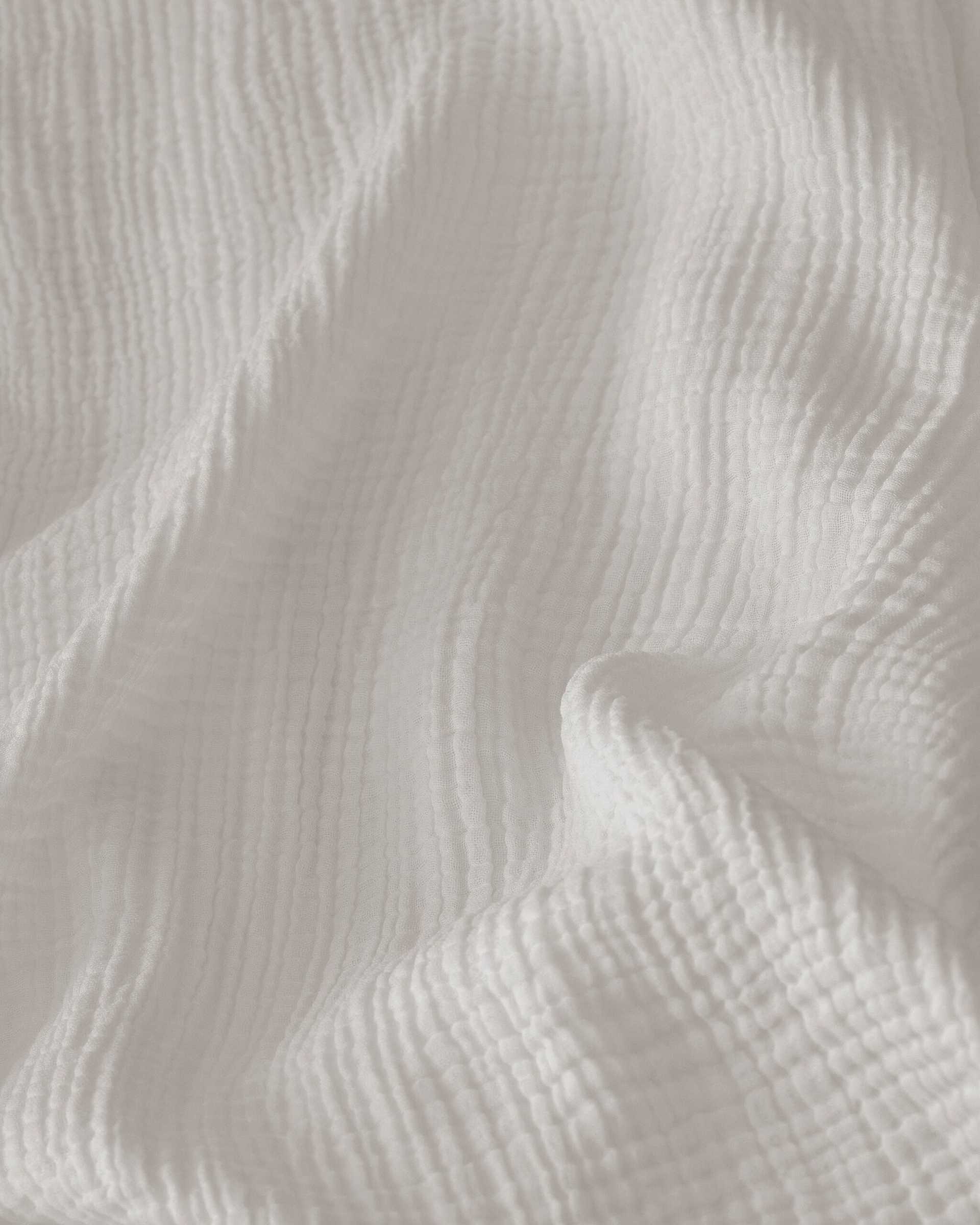
Stay cool and comfy all summer with our four-layer cotton voile bedspread—light, breathable, and softly textured for a luxurious touch in every sleep.
Bed covers serve as a functional layer that protects bedding while contributing to a room's aesthetic and warmth. In this category, materials range from breathable cotton blends to soft microfiber, offering varying levels of durability, washability, and comfort. Selecting the right bed cover involves considering thread count, weight, and care requirements to suit climate and sleep preferences.
Tex Bedcover images illustrate how weight and weave influence drape, warmth, and maintenance. Common options include lightweight cotton percale for summer use and heavier brushed fabrics for cooler seasons. Understanding fabric structure helps assess how well a bed cover resists wrinkling, how it feels against the skin, and how it handles regular laundering.
Key features to evaluate include weave type, fabric composition, and finish. A high-quality bed cover often combines strength and softness, with natural fibers providing breathability and moisture management. Functional benefits may include wrinkle resistance, easy care, and colorfastness, ensuring a neat appearance after multiple washes.
Product names within this category, such as Tex Bedcover variants, illustrate how design informs usage. Each variant offers specific advantages, like enhanced warmth, increased durability, or improved ease of care. The inclusion of features like hypoallergenic yarns or organic certifications can impact suitability for sensitive sleepers and eco-conscious households.
Overall, bed covers are a versatile component of bedroom textiles, coordinating with sheets, pillows, and duvets to regulate temperature, protect underlying bedding, and contribute to sleep quality. By examining fabric weight, weave, and maintenance needs, users can select bed covers that align with personal comfort, lifestyle, and environmental considerations.
Bedding