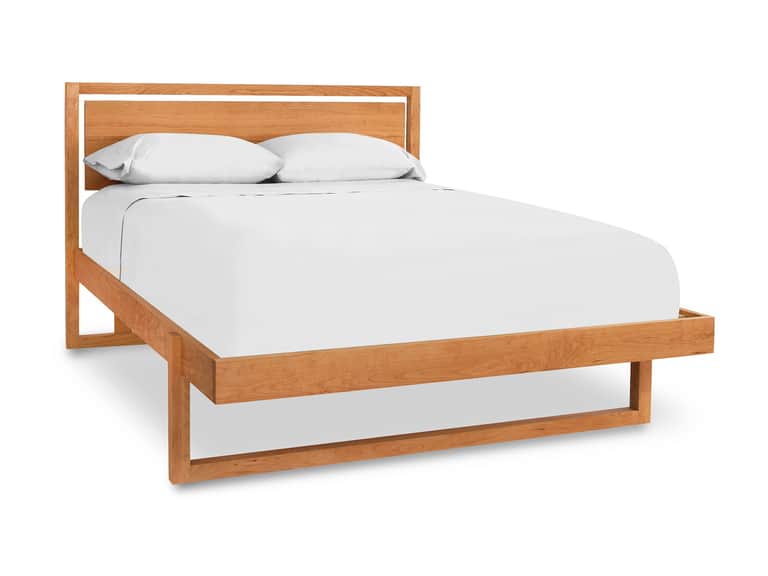
Bedroom furniture encompasses pieces designed to transform rest spaces into functional, calming environments. Critical elements include beds, nightstands, dressers, and storage solutions that support sleeping comfort and daily routine organization. Materials such as solid wood and engineered composites impact durability, while finishes influence both aesthetics and maintenance considerations in the bedroom setting.
Within this category, the focus on bedding harmony matters for both function and feel. Concepts such as mattress compatibility, frame stability, and headboard design contribute to long-term usability. Understanding how bed dimensions, clearance, and under-bed access affect room layout helps optimize space without compromising neck, back, or shoulder comfort during sleep.
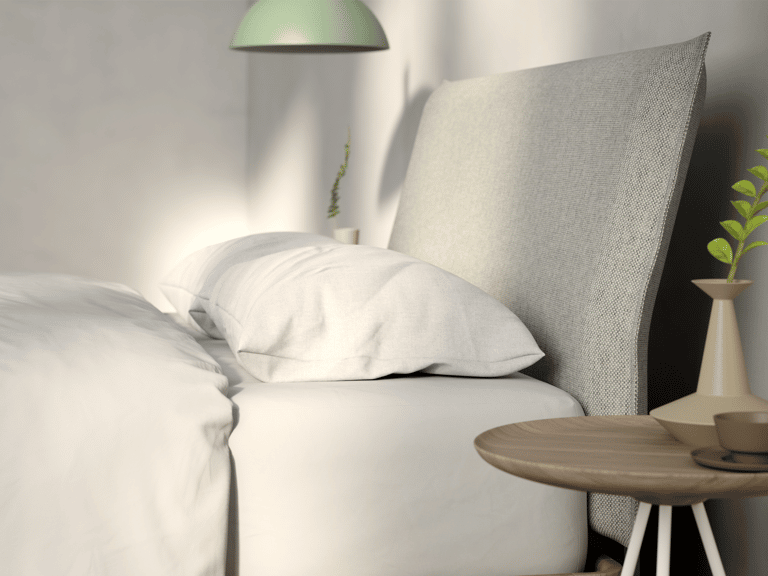
The Charlotte Upholstered Bed exemplifies key characteristics often valued in bedroom furniture. Its upholstered headboard adds lateral support and cushioning, while a sturdy frame ensures steady mattress positioning. The design facilitates easy integration with coordinating furniture like nightstands and dressers, reinforcing cohesive style and practical storage around the sleeping area.
Functional benefits of well-chosen bedroom furniture include improved sleep ergonomics, organized access to essentials, and a calmer aesthetic that supports relaxation. Features such as adjustable components, material durability, and fabric choice influence daily use, climate compatibility, and long-term care. Prioritizing compatibility with bedding choices—sheets, duvet covers, and pillows—enhances overall sleep quality.
Key keywords to consider in this category include bedding, pillows, sheets, duvet covers, and organic mattresses. Knowledge about how these elements interact with the Charlotte Upholstered Bed—ranging from frame height to fabric cleanup—helps illuminate best practices for bed setup, room flow, and comfortable, restorative睡眠 environments.
 Furniture