A Bedding Philosophy for Better Sleep
In a world crowded with alarms, screens, and shifting circadian rhythms, the bed remains a sanctuary in which the body recalibrates, repairs, and regenerates. The domain name beddinghere.com hints at a practical truth: the right bedding is a dependable resource for better sleep. A sleep environment that emphasizes breathable fabrics, temperature balance, and allergen awareness can influence how quickly sleep arrives and how deeply it settles. This article draws on timeless textile wisdom and contemporary science to guide readers toward a breathable, balanced, and health-focused sleep space.
Across eras, people have learned that the way you cover, layer, and regulate your bed matters as much as the pillow you rest your head upon. The science has evolved—from early observations of heat and moisture in ancient sleeping rooms to modern investigations into how microclimate control affects sleep architecture. Today, we recognize three interlocking factors: material science (the fibers that cradle us), mechanical design (how layers and inserts work together), and environmental hygiene (how to reduce allergens without sacrificing comfort).
The Sleep-Health Lens: Why Bedding Matters
Consider sleep health as a daily, measurable phenomenon: core body temperature, humidity, air exchange, and allergen exposure all modulate sleep onset latency, sleep continuity, and perceived comfort. A bedding system designed to wick moisture, promote airflow, and minimize allergen burden can reduce nocturnal awakenings and improve REM and slow-wave sleep. The material world—the sheets you touch, the blankets you draw up, the duvet insert you choose—becomes a practical science lab at your bedside. The Sleep Health Resource direction for beddinghere.com embraces this ethos: education about materials, maintenance, and best practices for a sleep-friendly environment that remains accessible and actionable for a broad audience.
To illustrate how ideas translate to everyday practice, the article threads expert voices across time, linking enduring questions about comfort with contemporary findings on temperature regulation, moisture management, and allergen control. The narrative below weaves together textile craft, sleep science, and practical consumer guidance into a cohesive, editorial tapestry that reads with the clarity of a National Geographic feature—curious, precise, and inviting readers to experience better sleep through informed bedding choices.
Materials as Medicine: Percale, Sateen, Linen, and Wool
Different fabrics interact with the body’s microclimate in distinct ways. Percale, a crisp, breathable weave often found in cotton, supports cooling sleep and an airy feel. Sateen, by contrast, offers a silkier hand and a warmer drape, while linen brings a robust, moister-wicking texture that adapts over time. Wool, though less common in everyday sheets, delivers temperature regulation that can be especially beneficial in temperate climates. For a sleep health perspective, the goal is not to select a single best fabric but to craft a layered system—one that can be tuned for season, climate, and personal comfort preferences.
Consider a typical seasonal approach: lighter sheets in summer (percale or crisp organic cotton), a breathable duvet cover and insert for year-round use, and a wool-blend or down-alternative top layer for winter. A well-chosen duvet insert—one that can be layered with a duvet cover—becomes a modular component that you adjust as temperatures shift. The Sleep and Beyond Organic Cotton Percale Sheet Set and Naturepedic options exemplify the emphasis on organic materials and breathable weaves that are central to this approach. These sheets—crafted from GOTS-certified organic cotton, with tight percale or sateen finishes—provide a foundation for a clean, comfortable night's sleep.
Percale vs. Sateen: A Practical Guide
Percale is a crisp, breathable weave that feels cool to the touch and tends to crisp up with each wash. It is favored by hot sleepers and those who prefer a more hotel-like, breathable feel. Sateen has a smoother surface and a warmer, more enveloping feel, thanks to the four-over-one weave that yields a subtle sheen and a softer drape. The choice between percale and sateen should be guided by climate, sleep temperature, and personal preference. In transitional seasons, many sleepers enjoy layering percale sheets with a light duvet cover in the evening and switching to a lighter duvet in warmer months, then adding a wool or down insert as nights cool down.
Linen brings another dimension to the discussion. As a fabric, linen breathes exceptionally well and has natural temperature-regulating properties that improve with washing and wear. The raw beauty of linen—its texture, its slight irregularity—also invites a more tactile, nature-forward aesthetic that can influence a bedroom’s mood. Many readers will find linen a compelling choice for a bed that feels grounded in the natural world.
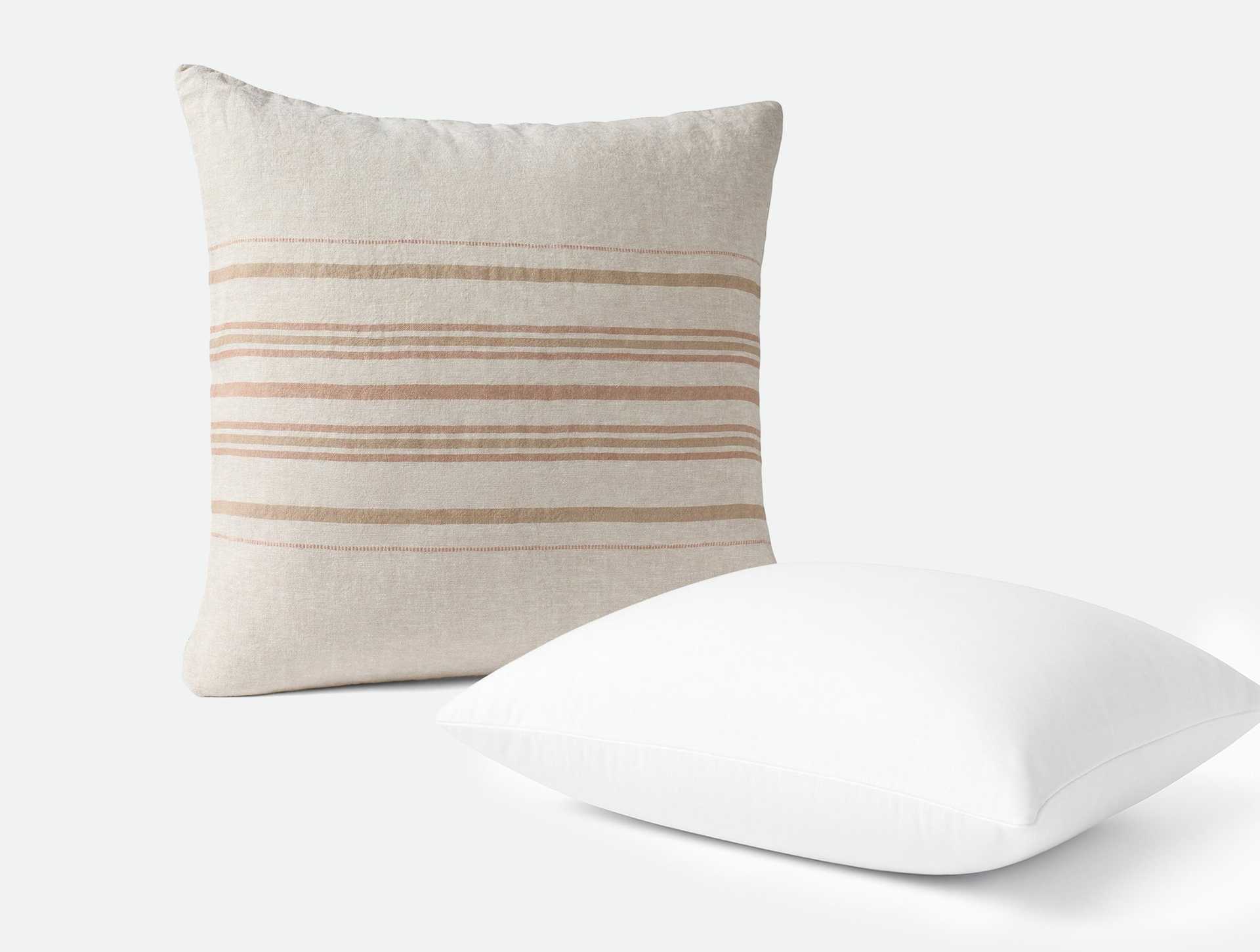
Beyond sheets, a careful approach to blankets and throws—cotton, wool, alpaca, or silk—lets you sculpt a microclimate around the bed. Lightweight knit blankets, matelassé covers, and well-made coverlets can be layered for warmth without bulk, or removed for breathability on warmer nights. The Mojave Organic Linen Decorative Pillow Cover + Pillow Insert Set demonstrates how a textile accent can add texture and warmth to a bed, while remaining easily washable and adaptable to changing needs.
Layering for Seasonality: A Practical Framework
Seasonality invites a practical framework for bedding: a multi-layer system that can be added or removed to maintain a comfortable microclimate. The core elements include a breathable sheet set, a duvet cover with a compatible duvet insert, and a range of lightweight to mid-weight textiles that can be interchanged as temperatures shift. For example, a base of organic cotton percale sheets provides cooling air flow in hot months, while a duvet insert such as a down or wool blend offers warmth in cooler months. When needed, a light coverlet or matelassé layer can be added for modest warmth without bulk. This approach aligns with the Sleep Health Resource ethos: educate readers about the flexibility of bedding to support sleep health across seasons.
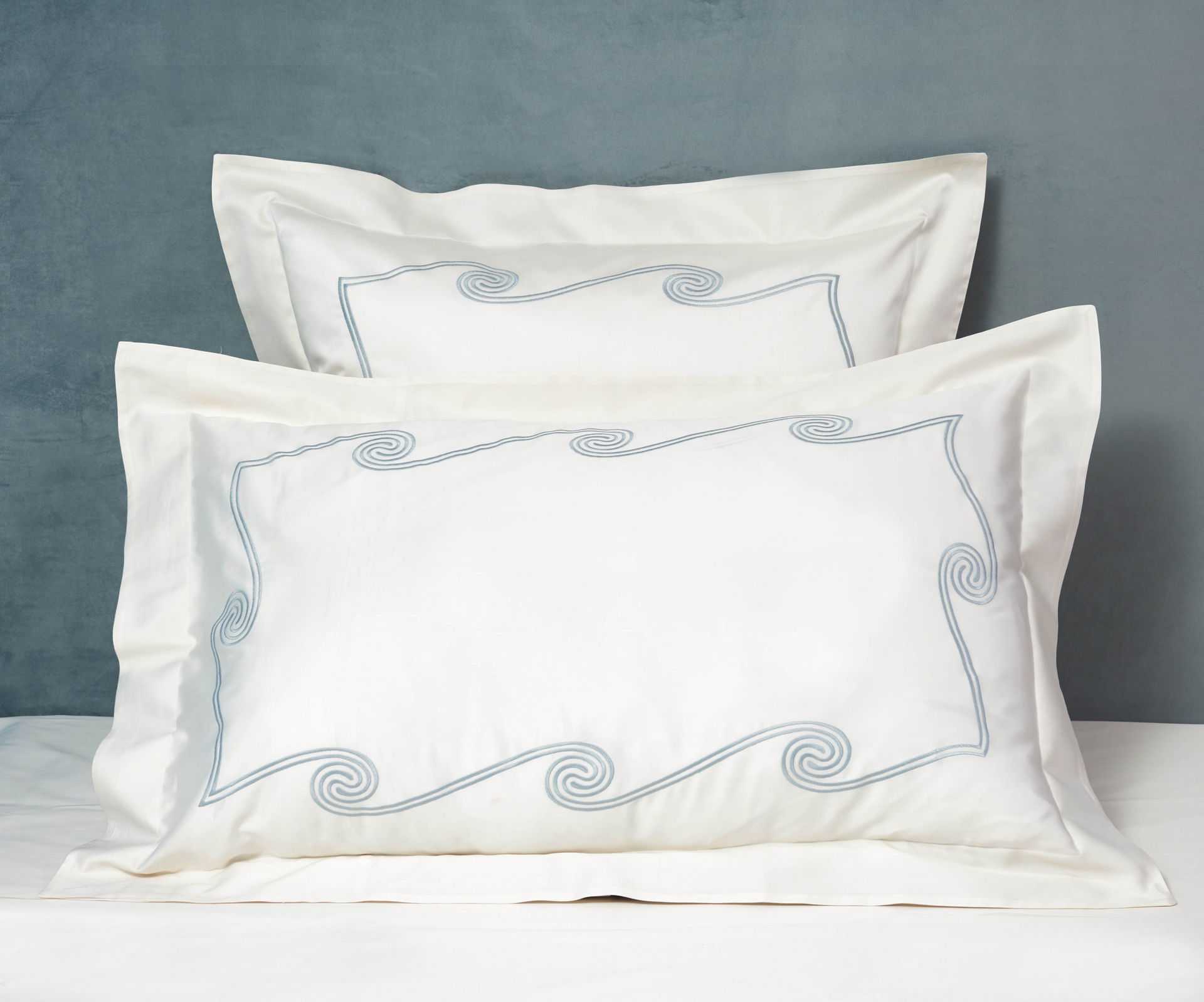
The Hellas Sham (2187) from Signoria—featuring 300-thread-count sateen and a distinctive embroidered detail—offers a concrete case study in how a duvet-cover-like element can elevate the sense of seasonality and design in a sleep space. While a sham is traditionally a decorative pillow cover, it demonstrates how texture, color, and a touch of maritime motif can shape the room’s mood without compromising the bed’s practical function. A similar principle guides the Mojave Organic Linen Decorative Pillow Cover + Pillow Insert Set (2828), which combines organic linen with a down-proof shell and ethically sourced fill to deliver both texture and comfort in a single decorative package.
Allergen-Aware Comfort: Protectors, Encases, and Hygiene
Allergens remain a central concern for many sleepers. Dust mites, pet dander, and other particulates can disturb sleep and aggravate respiratory and skin conditions. A robust sleep environment emphasizes protective barriers that do not compromise comfort. Pillow protectors and mattress encasements play crucial roles by providing a barrier to allergens while maintaining breathable comfort. A well-designed protector uses organic materials and micro-porous barriers that block mites without trapping heat or moisture. The Coyuchi Organic Pillow Protector is a widely cited example of a breathable organic barrier that maintains sleep hygiene without sacrificing comfort. For mattress protection, encasements with a tight weave and a micro-porous structure help reduce exposure to dust mites and fluids, while remaining comfortable to sleep upon.
Careful maintenance—washing protectors regularly, pre-washing fabrics to minimize shrinkage, and selecting products with safe certifications—ensures that the health benefits of a sleep-friendly bedding environment endure over time. This approach aligns with the broader wellness movement, which recognizes that daily habits—clean linens, temperature balance, humidity control—play an essential, measurable role in sleep quality.
Product Spotlight: A Tale of Textiles at the Bedside
To illustrate how high-quality textiles translate into daily comfort, we spotlight two carefully chosen items from the curated product list. These selections exemplify the blend of luxury, sustainability, and practical function that underpins a sleep-health–oriented bedding environment.
Hellas Sham by Signoria (2187)
A refined example of a decorative textile that complements a sleep-forward ensemble. The Hellas Sham blends a modern look with a nod to classic Greek frets and a light sea motif. Crafted in Italy from 100% long-staple cotton, this sham uses a 300-thread-count sateen weave to deliver a soft, smooth touch and a gentle sheen. Its embroidered detail adds a subtle decorative edge without overpowering the room’s overall calm. While primarily a decorative element, its texture and color can influence how you perceive the bed’s tactile warmth and sophistication, reminding us that aesthetics and comfort can harmonize in the service of sleep.
- Material: 100% long-staple cotton
- Weave: 300-thread-count sateen
- Design: Embroidered detail with Greek fret-inspired motif
- Origin: Made in Italy
- Price: 255.00 USD
- Product page: Hellas Sham product page
Mojave Organic Linen Decorative Pillow Cover + Pillow Insert Set (2828)
The Mojave collection embodies a refined, natural aesthetic. This set pairs GOTS-certified organic linen with yarn-dyed stripes in earthy neutrals, sunset hues, and ocean tones. The down-proof organic cotton shell encases a plump fill of duck feathers and down from an Indiana farm that is audited for animal welfare. The result is a decorative piece that doubles as a comfortable cushion, helping to shape a bed’s texture and warmth while remaining easy to care for. The combination of linen’s breathability with a responsibly sourced fill underscores how stylish textiles can also be health-conscious and sustainable.
- Fabric: GOTS-certified organic linen
- Texture: Yarn-dyed stripes with subtle dobby texture
- Shell: Down-proof 230-thread-count organic cotton
- Fill: Duck feathers and down from an audited Indiana farm
- Includes: Cover and insert
- Price: 216.00 USD
- Product page: Mojave decorative pillow page
A Short Bibliography: Voices Across Time
Three voices across eras illuminate the enduring relationship between sleep, craft, and textiles. Their perspectives anchor the broader human story of how we rest and why the materials around us matter:
- Ancient voice: Hypnos, the ancient Greek deity of sleep. In myths, sleep is a realm where body and dreamscape mingle; the bed becomes a threshold between waking life and the night. In a modern sense, this echoes the idea that the microclimate immediately around the sleeper acts as a steward of the dream’s physiology.
- 19th-century voice: Florence Nightingale, a pioneer of hospital hygiene and patient comfort. Her insistence on clean air, proper temperatures, and sensible bedding helped shape a standard for humane care—an enduring reminder that sleep health begins with a bed that breathes and a room that supports quiet rest.
- 20th-century voice: William Dement, a founder of modern sleep medicine. Dement helped establish sleep as a scientific field, underscoring how the sleep environment—including bedding materials and microclimate—profoundly affects sleep stages, circadian alignment, and overall well-being.
A Practical, Evidence-Based Path Forward
The recommendations in this guide flow from the intersection of textile craft, sleep science, and consumer-focused education. They emphasize the following core principles:
- Choose breathable fabrics that promote air exchange and moisture management. Percale, organic cotton, and linen—each with their own character—offer distinct paths to a cooler night’s sleep or a warmer, cocoon-like feel, depending on how you layer and insert textiles.
- Layer thoughtfully to adapt to seasonal variations. A modular duvet insert (such as a down or wool blend) paired with a compatible duvet cover lets you scale warmth without changing the bed’s fundamental structure.
- Protect sleep from allergens with organic pillow protectors and mattress encasements designed to block dust mites while maintaining breathability and comfort.
- Support sleep health with mindful care: pre-wash fabrics to reduce shrinkage, wash protectors regularly, and opt for fabrics with reputable certifications like GOTS or Oeko-Tex.
- Blend aesthetics with practice. A few decorative textiles—like the Hellas Sham or Mojave linen pieces—can elevate a bed’s texture and mood without compromising hygiene or function.
In a domain as intimate as the bed, the balance between beauty, health, and usability is essential. The Sleep Health Resource approach—infusing education with practical advice about materials, temperature regulation, and allergen control—offers readers a clear path to bedding that not only looks good but also supports better sleep. The bedding ecosystem is a living system: sheet sets, duvet covers, inserts, protectors, and decorative textiles work together to curate a sleep-friendly microclimate. The right combination of fabrics, weaves, and layering can convert a bedroom into a habitat of restorative sleep, night after night.
As you consider the next purchase for beddinghere.com, imagine the bed as a fieldwork site where science and craft meet. The ancient couch of Hypnos, the hygienic rigor championed by Nightingale, and the evidence-based mindset fostered by Dement converge in the modern bedroom. The result is a space that embraces comfort while supporting health—a tangible, daily practice of care for the body, mind, and sanctuary of sleep.
Note: Images for the featured products are not embedded in this article. For visual references, please visit the individual product pages linked in the Spotlight sections above.