Optimizing Sleep Health Through Bedding: A Practical Guide

A comprehensive take on how bedding materials, textures, and care routines shape sleep quality. By examining heat and moisture management, allergen control, and the layering of sheets, blankets, and duvet covers, this guide translates scientific insight into accessible, actionable steps for healthier nights.

Bedding is more than a decorative layer. It is a functional system that regulates our microclimate as we sleep—temperature, humidity, and the body’s need for rest—and it mediates our exposure to potential irritants from dust and allergens. In the evolving field of sleep health, bedding sits at the critical intersection of comfort, hygiene, and physiology. This article, written in a National Geographic-inspired voice of exploration and rigor, travels through materials, care routines, and practical configurations that support restorative sleep. It also integrates a concrete example from the Bedding Here collection to illustrate how theory translates into daily life.

In the modern home, the bedroom can be a biofeedback loop: your body signals warmth or coolness, the sheets respond with breathability or insulation, and your environment adjusts your heart rate, respiration, and the brain’s transition into sleep. The goal is to curate a bedding kit that aligns with your climate, sensitivities, and preferred sleep posture—without sacrificing aesthetics or simplicity. To that end, we examine four primary textile families—cotton, linen, silk, and wool—and how each interacts with heat, moisture, and allergen exposure. We also address care cycles, protective layering, and the overlooked art of duvet covers and pillow protection as daily hygiene tools. Finally, we consider historical perspectives on sleep and comfort from three key figures across epochs, who, in their own ways, foreshadow today’s emphasis on sleep health through environment and routine.

A framework for sleep health: heat, moisture, and protection

Sleep health hinges on a comfortable temperature range and a stable moisture balance. The body’s thermoregulatory system shifts as we drift from wakefulness to sleep, and bedding becomes the primary interface with that system. Materials that are breathable, moisture-wicking, and moisture-transferring help maintain a stable nocturnal core temperature. Conversely, fabrics that trap heat or retain moisture can disrupt sleep architecture, prompting awakenings and fragmented rest. The bedding framework that supports this balance comprises four layers: a breathable sheet set, an insulating or temperature-regulating blanket or duvet cover, a protective mattress encasement or protector, and a pillow regime that preserves hygiene while sustaining comfort.

  • Sheets provide the first contact with the skin and set the tone for airflow near the surface. Percale weaves (a crisp, cool hand) and sateen weaves (a softer, warmer hand) offer different thermal experiences. Organic cotton percale sheets commonly deliver crisp breathability ideal for warm sleepers; organic cotton sateen sheets provide a softer, warmer feel for cooler nights or those who prefer a silk-like surface.
  • Blankets and duvets contribute insulation and regulate body warmth. Wool and milkweed-based fills, as well as hybrids that pair wool with cotton or silk, can offer a controlled warmth that adapts to changing temperatures. Silk, linen, and cotton blends provide breathability with different warmth profiles, enabling you to layer or adjust across seasons.
  • Protective layers—mattress encasements and pillow protectors—serve hygiene objectives, shielding against dust mites and allergens while preserving airflow and comfort. Look for encasements with micron-scale pore sizes that block irritants, yet remain breathable.
  • Hygiene and care routines: regular washing of sheets, pillow protectors, and duvet covers, plus mindful maintenance of wool and down components, extend life and sustain performance.

In practice, a sleep-health bedding kit offers three core configurations that adapt to climate and preferences:

  • Warm-season kit: lightweight percale sheets, a thin duvet or cover, and a breathable mattress protector. Emphasize airflow and moisture-wicking properties.
  • All-season kit: a balanced blend of percale or sateen sheets, a mid-weight duvet insert or cover, and an all-season wool or down-alternative topper for temperature modulation.
  • Cool-season kit: thicker, brushed or denser fabrics for warmth, with layered blankets or a heavier duvet while maintaining breathability via natural fibers like wool or linen.

Materials deep dive: how each fabric influences sleep health

Choosing the right bedding begins with understanding the four most common textile families used in premium sleep sets: organic cotton, linen, silk, and wool. Each material carries its own distinctive heat and moisture profiles, which in turn influence sleep quality, temperature regulation, and allergen exposure. The following overview distills how each fabric contributes to sleep health, and how to pair them for optimal outcomes.

Organic cotton and linen: breathability as a baseline

Organic cotton and linen have long been celebrated for their breathable properties and natural comfort. Organic cotton, particularly in percale weaves, yields a crisp surface that facilitates air circulation across the night. Linen, with its hollow fibers and high moisture-absorption capacity, offers exceptional breathability and a rapid response to heat. The linen fiber’s inherent structure helps wick moisture away, supporting a cooler feel during hot nights and a dry surface that resists clamminess. For sleepers who experience night sweats or warm climates, linen sheets can be a daily ally. A practical approach is to choose a linen blend or a linen top layer (coverlets or matelassé pieces) to maintain a cool sleeping surface while layering with softer cotton sheets for comfort.

Silk and wool: moisture management and temperature regulation

Silk offers a unique combination: breathable, temperature-regulating properties and a luxurious, soft hand. Silk fibers have natural moisture management properties, capable of absorbing a modest amount of moisture without feeling damp, while maintaining a dry surface that’s comfortable against skin and hair. For sleepers who need a cooler surface yet crave a gentle warmth, silk duvet covers or silk-filled blankets can be an elegant fit. Wool, particularly high-quality, certified organic wool, also provides temperature regulation. Wool naturally regulates humidity, wicks moisture effectively, and offers insulation without excessive weight. Its crimp and loft help trap air, creating a cozy yet breathable feel that adapts to changing temperatures through the night. Blends—such as wool with cotton or milkweed fibers—can balance warmth with breathability, providing versatile performance across seasons.

Protective layers: the sleep hygiene backbone

Beyond fabrics themselves, the protection layer—mattress encasements and pillow protectors—plays a crucial role in sleep hygiene. Encasing a mattress with a tightly woven, hypoallergenic barrier reduces exposure to dust mites and allergens, while still allowing for airflow. Pillows benefit from removable, washable covers that seal in cleanliness without compromising comfort. When selecting protective layers, prioritize non-toxic materials and certifications (for example, GOTS or Oeko-Tex) to minimize chemical exposure over long-term use.

Care as a health practice

Materials shine when cared for properly. Organic cotton needs gentle washing to maintain fiber strength; linen improves with gentle use and line-drying; silk demands careful washing and low-heat drying to preserve its delicate fibers. Wool and milkweed-laced fills require specialized care to maintain loft and prevent clumping. A disciplined care routine—washing sheets weekly or biweekly as appropriate, using mild detergents, and avoiding harsh chemical agents—supports hygiene and longevity, reinforcing the sleep health you seek.

Practical material recommendations

  • Warm climates or hot sleepers: prioritize breathable sheets (organic cotton percale, linen blends) and consider a light duvet or duvet cover with a breathable fill.
  • Allergy concerns: emphasize mattress encasements and pillow protectors with high filtration properties, paired with organic cotton shell fabrics.
  • Seasonal versatility: build a layering system that can be adjusted with a midweight duvet, a wool blanket, and a silk or cotton cover depending on the season.
A practical sleep-kit: building a durable, health-forward bedding ensemble

To translate science into daily life, start with a core bedding kit designed for hygiene, temperature control, and ease of maintenance. A thoughtfully composed kit includes: a sheet set, a duvet cover with a seasonal insert or a light-weight comforter, a breathable quilt or matelassé throw for texture, and protective layers for the mattress and pillows. Consider the following practical model, anchored by two real-world examples from Signoria and Coyuchi that illustrate how design and performance converge in the field.

Case in point: Hellas Sham and Mojave Organic Linen Decorative Pillow Cover + Insert

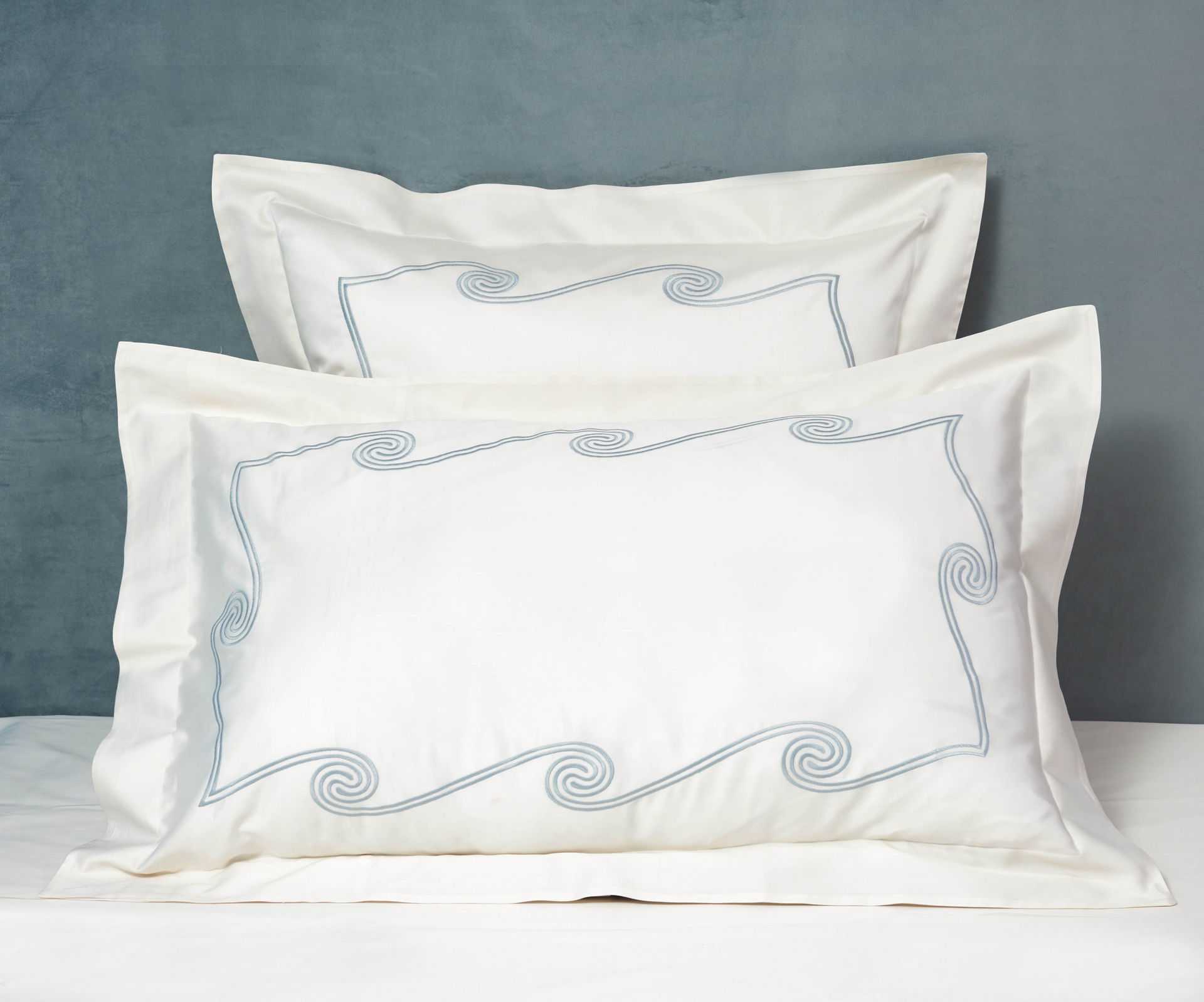
Hellas Sham (Signoria) embodies a refined approach to bedding aesthetics with a modern take on classic Greek fret motifs and a sea-inspired feel. Made in Italy from 100% long-staple cotton with a 300-thread-count sateen weave, this sham adds a subtle shimmer and an elegant edge to the bed. While primarily decorative, such a sham can be paired with a matching duvet cover for a cohesive, layered look that still prioritizes breathable textures. In a sleep-health context, this piece illustrates how a well-chosen sham can contribute to a calming visual environment that complements the tactile qualities of the underlying sheet set and duvet cover.

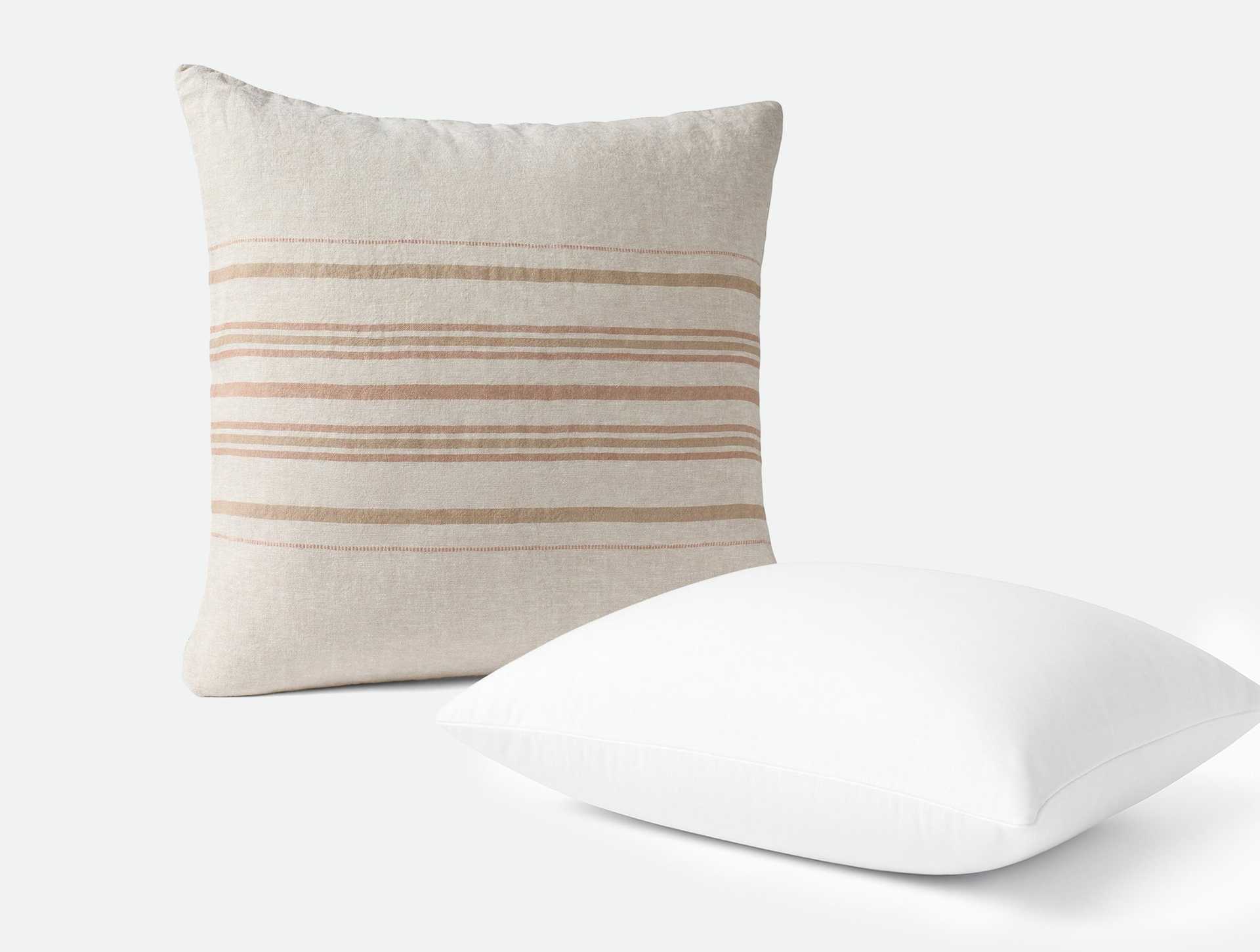
Coyuchi’s Mojave Organic Linen Decorative Pillow Cover + Pillow Insert Set demonstrates how a decorative piece can be fully integrated into a sleep-health strategy. The linen cover offers breathable texture and a calming appearance, while the duck feather and down insert delivers a plump, comfortable feel for bedside seating or sleep. The set’s linen fabric is GOTS-certified organic, and the feather-and-down fill comes from farms audited for animal welfare, underscoring the connection between ethical sourcing and restful sleep. Together, Hellas Sham and Mojave illustrate the balance between visual harmony and tactile comfort that defines a health-forward bedding kit.

A suggested packaging and care plan

1) Core sheet set: Opt for organic cotton percale sheets for breathability in a warm climate, or organic linen sheets for universal temperature regulation. 2) Core cover and insert: Choose a duvet cover with a temperature-appropriate down or wool insert. 3) Layering: Add a breathable coverlet or matelassé throw for texture, especially in transitional seasons. 4) Protection: Invest in a high-quality mattress encasement and pillow protectors, with easy-care, machine-washable fabrics. 5) Care rhythm: Maintain a weekly or biweekly schedule for sheets, pillow protectors, and duvet covers; refresh wool or down loft as needed, following manufacturer guidelines for washing and drying. 6) Seasonal adjustments: Swap to lighter or heavier inserts and change duvet covers to suit the season, maintaining consistent sleep hygiene without compromising comfort or design.

Product-inspired example configuration
  • Sheets: Coyuchi Cloud Soft Organic Sateen Sheet Set in Alpine White for a crisp, breathable surface.
  • Duvet cover: Coyuchi Organic Cotton Sateen Duvet Cover Set in a neutral tone; insert: Naturepedic Alpaca Duvet Insert for a warm-but-breathable core.
  • Decorative layer: Mojave Organic Linen Decorative Pillow Cover + Insert Set to add texture without sacrificing breathability.
  • Protective layers: Naturepedic Organic Cotton Waterproof Mattress Protector for hygiene and protection; Coyuchi Organic Pillow Protectors for healthy sleep surfaces.

Note on imagery: Visuals of product textures and patterns are provided in product listings, not within this article. For readers seeking visual references, the product data below offers direct links to detailed pages with fabric textures, patterns, and care guidelines.

Voices from the past: three key figures across time

To illuminate how bedding intersects with sleep health, consider three pivotal figures from different epochs who, through their work and ideas, foreshadow modern sleep science and environmental hygiene.

Hypatia of Alexandria (c. 370–415 CE)

Hypatia, a philosopher and astronomer from ancient Alexandria, represents the early tradition of empirical inquiry and the belief that the body’s welfare is intertwined with the environment. Though not a sleep specialist in the modern sense, Hypatia’s emphasis on observation, proportion, and the harmony of the natural world resonates with today’s emphasis on a sleep environment designed to support body rhythms. Her legacy invites us to consider how ancient civilizations structured living spaces—bedrooms, décor, and materials—in ways that promoted balance and calm, long before modern sleep science began to quantify night-time physiology.

Florence Nightingale (1820–1910)

Florence Nightingale’s pioneering reforms in hospital hygiene and healthcare ignored no corner of the sleep environment: air quality, temperature control, and clean linens were central to patient recovery. Nightingale’s insistence on cleanliness and environmental design as determinants of health anticipated the principle that sleep quality is inseparable from environmental hygiene. In a bedding-focused context, her influence echoes in modern insistence on clean, hypoallergenic fabrics, well-sealed protective layers, and careful laundering routines that reduce irritants and improve the restorative power of sleep.

Sigmund Freud (1856–1939)

Sigmund Freud’s work on dreams and unconscious processes framed sleep as a window into inner life. While Freud did not study textiles, his idea that sleep and dream health reflect the mind’s internal climate parallels today’s interest in how a sleep environment—through temperature, texture, and tactile comfort—shapes not only rest but the quality of dream experiences. The late 19th and early 20th centuries provide a conceptual bridge: a calm, well-regulated physical environment can favor deeper sleep and richer dream life, aligning with contemporary recommendations for temperature stability, moisture management, and comforting fabrics.

These three figures anchor a narrative that transcends textiles: sleep health begins with the body’s comfort in space and material, and in the discipline of daily care—washing, drying, and maintaining the sleeping surface. The modern bedding suite, while technologically advanced, embodies a lineage that links ancient observation, hygienic revolution, and psychological insight into how our nightly environments shape our waking lives.

A brief gallery of select pieces (textual catalog)

The following entries are representative samples from the Bedding Here catalog that illustrate the intersection of health-oriented performance and refined design. Note: this section focuses on descriptive text rather than imagery. For price and dimensional details, readers can refer to the product data provided in the catalog.

Hellas Sham by Signoria

Hellas Sham blends modern geometry with a nod to classical Greek frets and a sea motif. A 100% long-staple cotton backdrop in a 300-thread-count sateen weave carries an embroidered detail that gives the piece a soft sheen. The design exudes calm and timelessness—well-suited as a filler for a sleep environment where visual serenity matters as much as tactile comfort.

Mojave Organic Linen Decorative Pillow Cover + Insert Set (Coyuchi)

With GOTS-certified organic linen and a down-proof organic cotton shell, this decorative set delivers texture and depth. The yarn-dyed stripes and subtle dobby texture bring a grounded, earthy mood to the bed, while the duck feathers and down insert provide a plush, supportive element for decorative pillows that still feel substantial when used for light lounging or mid-night reading.

Notes on care and usage

In translating the gallery to daily life, consider how these pieces might slot into a sleep-health routine. The Hellas Sham can pair with a nature-inspired duvet cover to maximize calming visuals. Mojave’s linen texture adds a tactile layer that complements breathable sheets. Together, they illustrate how the tactile and visual layers of a setting influence sleep comfort and the perception of restfulness. The goal is a balanced, low-contrast environment that reduces sensory overload, enabling the body’s natural rhythms to harmonize with a peaceful night’s sleep.

Conclusion: sleep health through bedding as a daily discipline

Optimizing sleep health through bedding involves attention to material properties, layering strategies, and care routines that preserve hygiene and performance. Breathable fabrics—organic cotton, linen, and some blends—support heat exchange and moisture management, while silk and wool offer nuanced warmth and moisture regulation. Protective layers heighten hygiene and allergen control, reinforcing the bed’s role as a restorative sanctuary. By framing bedding choices as everyday health decisions—much like how nutrition or exercise structures our daily wellbeing—we can craft a sleep environment that truly supports rest, resilience, and renewal.

To balance editorial depth with practical utility, this guide has woven together the science of textiles with the art of design, anchored by real-world products such as Hellas Sham and Mojave Organic Linen Decorative Pillow Cover + Insert Set. The articleassaids that choose your materials with intention, layer thoughtfully, and care consistently, and your nights will become a reliable source of vitality for the days you must face with energy and clarity.

As beddinghere.com continues to evolve, the focus remains on sleep health—temperatures that feel just right, fabrics that breathe, and a routine that protects both hygiene and comfort. The path to better sleep is not a single invention but a daily practice: a careful selection of textiles, a disciplined care regimen, and a space designed to invite calm, quiet, restorative nights.

Note: Imagery corresponding to featured products is available in product pages. This article intentionally presents the material, care, and design narrative without embedded images.

Highlighted bedding products

Hellas Sham — Signoria (ID 2187, Hellas Sham)

Material: 100% long-staple cotton, 300-thread-count sateen weave. Embroidered detail with a sea-inspired motif; made in Italy. The Hellas Sham offers a refined, timeless aesthetic suitable for pairing with a matching duvet cover or layered with complementary textiles to create a calm, coastal-inspired bed.

Price: 255.00 USD (sale price listed: 255.00 USD)

Notes: Embellished detail contributes to a serene visual aura; compatibility with duvet sets extends the coordinating potential of a Sleep Health resource-focused bedroom.

Mojave Organic Linen Decorative Pillow Cover + Pillow Insert Set — Coyuchi (ID 2828)

Material: GOTS-certified organic linen; down-proof 230-thread-count organic cotton shell; insert comprises duck feathers and down from an audited Indiana farm. The set includes both cover and insert for immediate decorating use.

Price: 216.00 USD

Notes: Textured linen with yarn-dyed stripes offers a grounded, earth-toned aesthetic; ethically sourced fill supports animal welfare and sustainability goals.

Product references above are provided as illustrative examples of how the bedding category’s textiles and ethics intersect with sleep health. If you’d like more product context or a guided shopping list tailored to your climate and sensitivities, we can assemble a field-tested kit for you.

Hellas Sham
Hellas Sham

Transform your bedroom with the Hellas Sham, crafted from luxurious 100% cotton for a soft touch and smooth feel. Its elegant Greek-inspired design adds a timeless charm, making it the perfect blend of style and comfort for any decor.

Price: $255.00

View Product
Mojave Organic Linen Decorative Pillow Cover + Pillow Insert Set

Transform your space with the Mojave Organic Linen Decorative Pillow Set, featuring soft, breathable linen and rich, earthy tones. Enjoy cozy comfort with ethically sourced down, all while adding style and warmth to your home effortlessly.

Price: $216.00

View Product
Down Feather Pillow
Down Feather Pillow

Experience restful nights with the Down Feather Pillow, designed for ultimate comfort. Its perfect blend of softness and support cradles your head and neck, while the organic cotton shell feels gentle against your skin. Ideal for side and back sleepers!

Price: $158.00

View Product